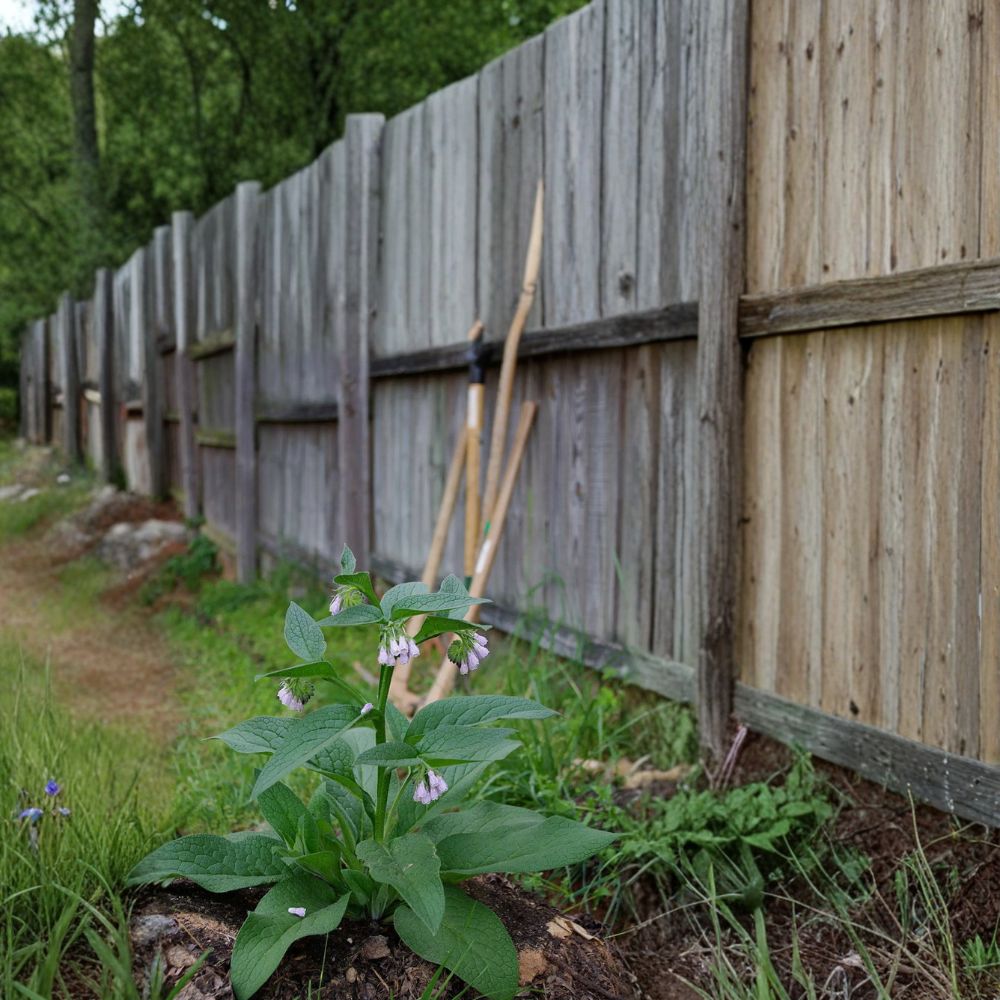
Russian Comfrey Live Root Cuttings – 10 Organic Bocking 14 Comfrey Roots | Symphytum × uplandicum
Russian Comfrey Live Root Cuttings – 10 Organic Bocking 14 Comfrey Roots | Symphytum × uplandicum
Couldn't load pickup availability
Create a highly productive source of natural fertilizer with these live Bocking 14 Russian Comfrey root cuttings (Symphytum × uplandicum). Developed by Lawrence D. Hills through extensive trials in England, Bocking 14 is the gold standard comfrey variety for organic gardening, permaculture systems, food forests, orchards, and regenerative agriculture.
This sterile Russian Comfrey cultivar produces large quantities of nutrient-rich foliage multiple times per year. Its deep roots mine minerals from subsoil and concentrate them in the leaves, making it valuable for sustainable soil fertility. Use the foliage as mulch, compost activator, compost tea, liquid fertilizer, chop-and-drop material, or nutrient-rich garden bed additions.
Bocking 14 is known for its high potassium content, making it an excellent companion for fruit trees, berries, tomatoes, peppers, squash, and other heavy feeders. Once established, it requires minimal maintenance and provides abundant biomass for years.
You will receive:
✔️ 10 live Bocking 14 Russian Comfrey root cuttings
✔️ Healthy propagation material ready for planting
✔️ Sterile cultivar that does not spread by seed
✔️ Organically grown plant material
✔️ Planting and growing instructions
Growing Information
Common Name: Russian Comfrey Bocking 14
Botanical Name: Symphytum × uplandicum
Plant Type: Herbaceous perennial
Growth Stage: Root cuttings
Sun Requirements: Full sun to partial shade
Soil: Fertile, moisture-retentive, well-draining soil
Watering: Moderate; water regularly until established
Mature Height: 3–5 feet
Growth Rate: Fast
USDA Zones: 4–9
Container Friendly: Not recommended for long-term growth
Care Tip: Plant root cuttings about 2 inches deep with growing points upward. Space plants 2–3 feet apart in a permanent location, as established comfrey develops deep roots and is difficult to remove. Wait until the second growing season before heavy harvesting.
Share