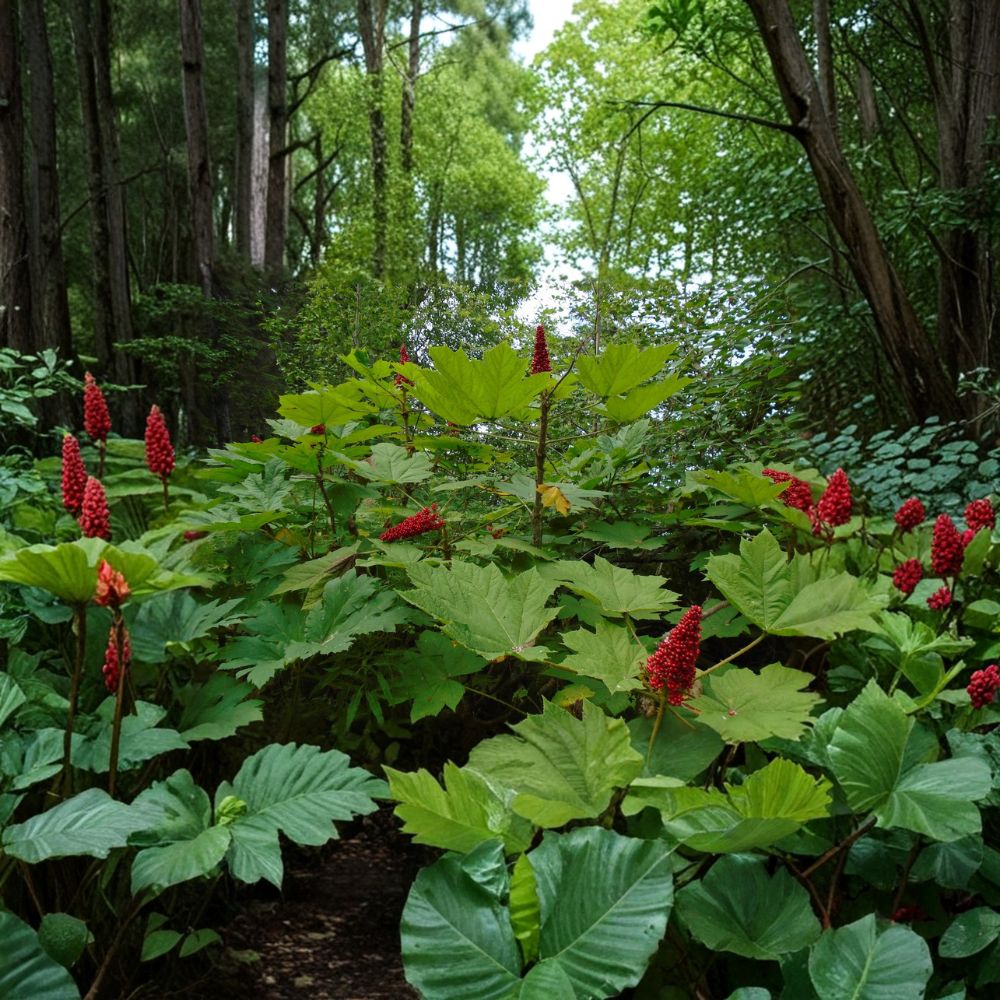
Devil's Club Live Root - Oplopanax horridus | 6 Inch Dormant Root Section | Alaska Wild Harvested Native Plant
Devil's Club Live Root - Oplopanax horridus | 6 Inch Dormant Root Section | Alaska Wild Harvested Native Plant
Couldn't load pickup availability
Grow one of Alaska's most iconic native plants with this Devil's Club live root section (Oplopanax horridus). Carefully wild harvested from Alaska, these root pieces are selected from the actively growing root tips, ideal for propagation while allowing the parent plant to continue growing naturally.
A close relative of ginseng, Devil's Club is a slow-growing woodland perennial known for its dramatic appearance, large leaves, and strong presence in cool northern forests. Native to Alaska and the Pacific Northwest, it thrives in moist, shaded environments with rich organic soil and consistent moisture.
This listing includes one live dormant root section approximately 6 inches in length, ready for planting and propagation. Devil's Club performs best in cool, wet forest-like conditions. Larger orders may include larger root pieces depending on available space during shipping.
You will receive a healthy root section similar in size and condition to those shown in the listing photos.
Included:
✔️ 1 live Devil's Club root section
✔️ Approximately 6 inches in length
✔️ Alaska wild harvested plant material
✔️ Dormant propagation root
✔️ Secure packaging for safe arrival
Growing Information
- Common Name: Devil's Club
- Botanical Name: Oplopanax horridus
- Plant Type: Native woodland perennial shrub
- Growth Stage: Dormant root section
- Sun Requirements: Part shade to full shade
- Soil: Rich, moist, organic soil with pH 5.5–7.0
- Watering: High; requires consistent moisture during establishment
- Mature Height: 6–12 feet
- Growth Rate: Slow
- USDA Zones: 5–8
- Container Friendly: Possible with attentive care
Care Tip
Plant immediately upon arrival and keep the root consistently moist during establishment. Devil's Club prefers cool temperatures, filtered light, and woodland conditions similar to its native habitat.
Share