Angelica archangelica Seeds | 50 Norwegian Angelica Wild Celery Herb Seeds
Angelica archangelica Seeds | 50 Norwegian Angelica Wild Celery Herb Seeds
Couldn't load pickup availability
Grow a historic and versatile northern herb with these Angelica archangelica seeds, commonly known as Angelica, Norwegian Angelica, or Wild Celery. This striking biennial plant has been cultivated for centuries throughout northern Europe and Scandinavia for its aromatic leaves, roots, stems, and ornamental beauty.
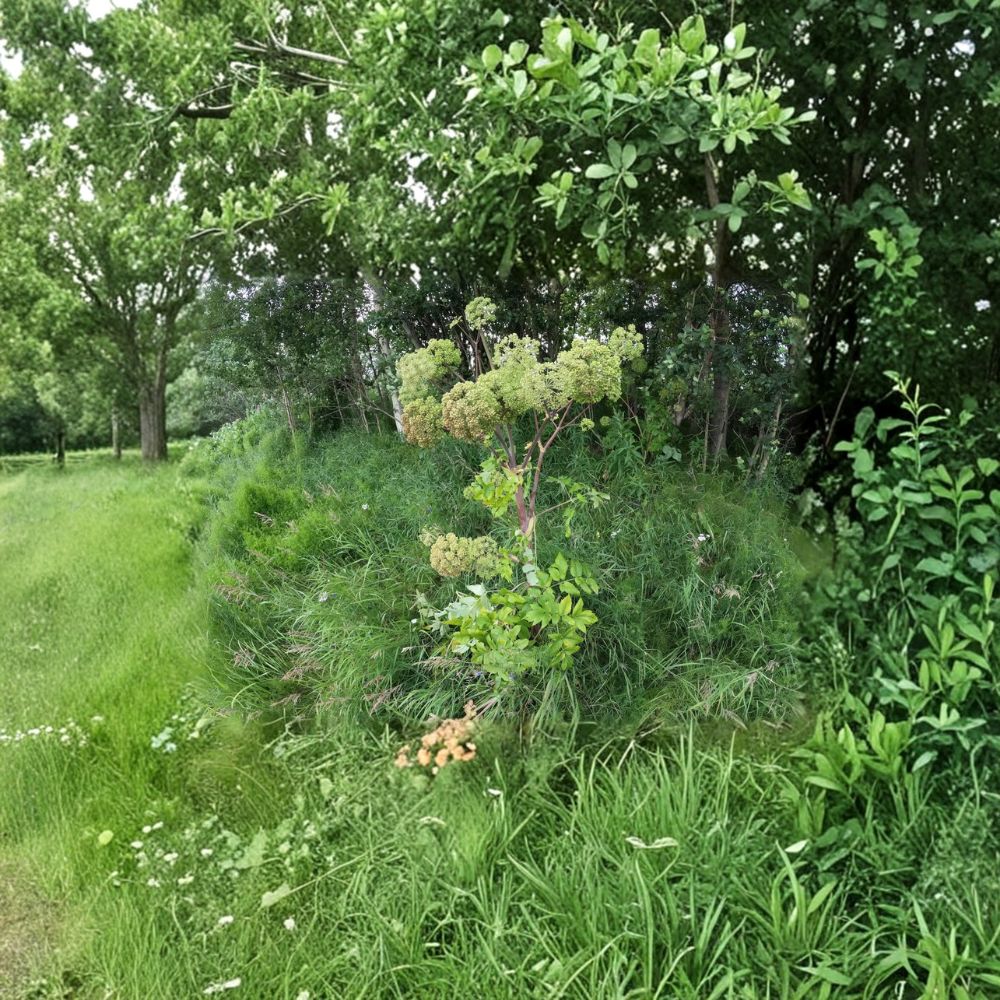
During its first year, Angelica develops a lush rosette of fragrant foliage. In its second year, the plant sends up an impressive fluted flower stalk that can reach over 8 feet tall, topped with large globe-shaped umbels of greenish-yellow flowers. These dramatic blooms attract pollinators and create a stunning focal point in herb gardens, cottage gardens, and naturalized landscapes.
Historically important in Scandinavian and Sámi cultures, Angelica has long been valued as a culinary herb, flavoring ingredient, and ornamental plant. Its sweet, distinctive fragrance and architectural appearance make it a favorite among gardeners interested in traditional herbs and unusual edible plants.
You will receive fresh seeds ready for cold stratification and planting.
You will receive:
✔️ 50 Angelica seeds
✔️ Fresh viable seed stock
✔️ Traditional Scandinavian herb variety
✔️ Pollinator-friendly plant seeds
✔️ Secure packaging for safe arrival
Growing Information
- Common Name: Angelica, Norwegian Angelica, Wild Celery
- Botanical Name: Angelica archangelica
- Plant Type: Biennial herb
- Growth Stage: Seeds
- Sun Requirements: Full sun to part shade
- Soil: Rich, moist soil with high organic matter
- Watering: Moderate to high; prefers consistently moist conditions
- Mature Height: 6–8+ feet
- Growth Rate: Moderate
- USDA Zones: 4–9
- Container Friendly: Yes (large containers recommended)
Care Tip
Angelica seeds benefit from cold stratification before germination. Sow outdoors in fall or winter, or provide at least 30 days of cold, moist stratification before spring planting for best results.
Share